
2. Why You Feel Fine… Until Something Triggers You.

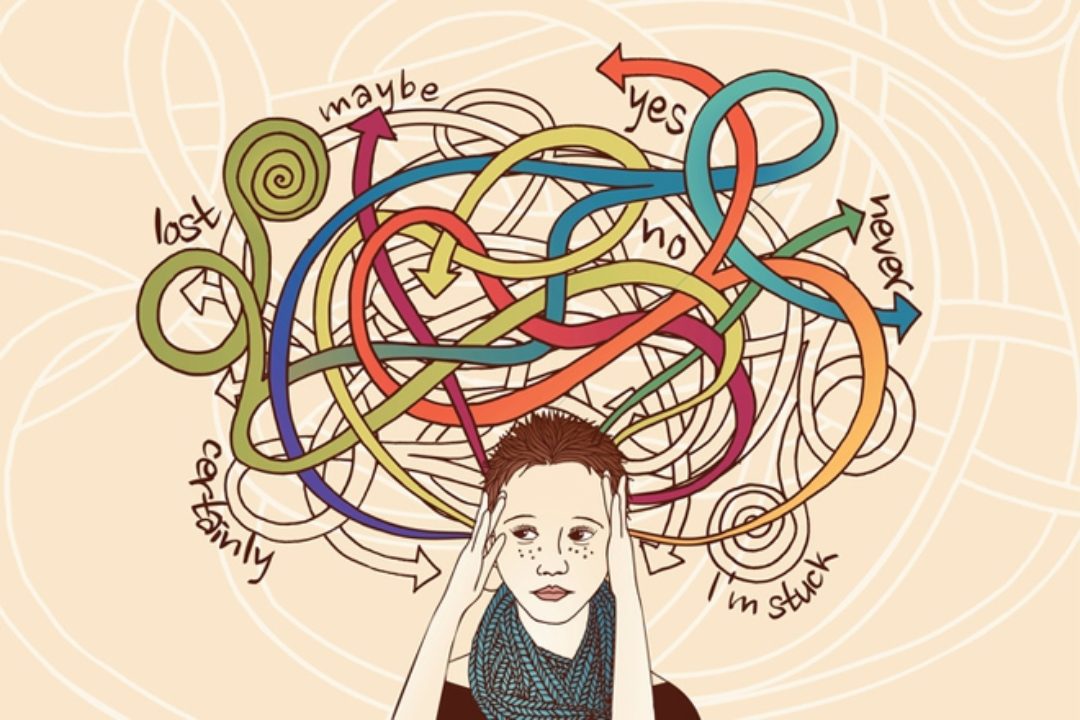
Sudden emotional triggers can feel confusing. You can be completely fine one moment — then overwhelmed the next.
Calm. Rational. Getting on with your day.
Then something small happens —
A smell.
A tone of voice.
A look.
A door slams.
And suddenly your chest tightens.
Your mood shifts.
Your body feels on edge.
You might even think:
“Why am I reacting like this? It’s not a big deal.”
But it feels like a big deal.
If this happens to you, you’re not weak.
You’re not dramatic.
And you’re not broken.
You’re being triggered.
Let’s break down what that really means.
What Triggers Actually Are
A trigger is not the event happening right now.
It’s a reminder.
More specifically, it’s a sensory reminder.
Many people experiencing sudden emotional triggers assume they are overreacting, when in reality their nervous system is responding to past threat memory.
Your brain stores traumatic or highly stressful experiences differently from ordinary memories. Instead of filing them neatly away as completed events, parts of the experience can remain linked to:
- Sounds
- Smells
- Facial expressions
- Body sensations
- Locations
- Certain types of people
- Specific tones of voice
When something in your present environment resembles part of that past experience — even subtly — your brain recognises it. And it reacts.
Not logically.
Protectively.
Your nervous system is designed to detect threat quickly. It doesn’t pause to analyse context first. It asks one fast question:
“Is this similar to something dangerous from before?”
If the answer is yes — even slightly — it prepares you to defend, escape, freeze, or shut down.
That reaction can happen before you’ve consciously thought anything.
Why The Reaction Feels Bigger Than The Situation

This is the part that confuses people.
You know the current situation is minor.
But your body reacts like it isn’t.
That’s because your nervous system isn’t responding to just this moment.
It’s responding to:
- This moment
plus - The unfinished emotional energy from the past event
Imagine a smoke alarm that became overly sensitive after a house fire.
Now it goes off when you burn toast.
The alarm isn’t broken.
It’s protecting.
But it hasn’t recalibrated.
Trauma can leave your internal alarm system slightly over-sensitive.
So when something resembles the original threat, your body reacts as if the old danger is happening again.
Your heart rate rises.
Your breathing changes.
Your muscles tense.
Your thoughts speed up.
Afterwards, you might feel embarrassed, confused, or exhausted.
But none of that means you’re weak.
It means your nervous system learned something very strongly.
Nervous System Memory vs Conscious Memory
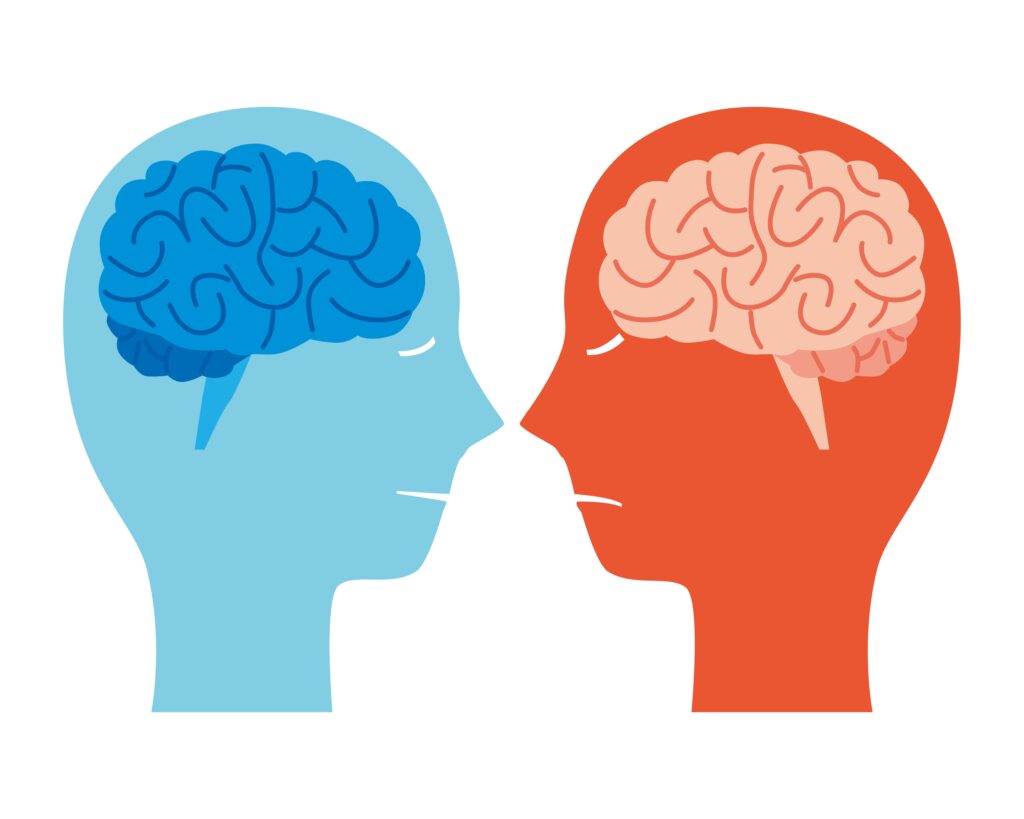
1. Conscious Memory
This is the story.
What happened.
When it happened.
Who was there.
You can talk about this memory.
2. Nervous System Memory
This is different.
This is:
- The body sensations
- The emotional intensity
- The survival response
- The “on edge” feeling
You might consciously know:
“That was years ago. I’m safe now.”
But your nervous system may not fully register that the event is over.
It’s as if the memory is still stored in an “active” file rather than an “archived” one.
So when something resembles it, the body reacts automatically.
This is why simply “thinking differently” doesn’t always switch it off.
You can understand something logically and still feel triggered.
Because the reaction isn’t coming from logic.
It’s coming from a protective survival system that once had a very good reason to be alert.
The Good News

If the brain can learn to store a memory in an overactive way, it can also learn to store it properly.
The aim isn’t to erase the memory.
It’s to help the brain recognise:
“That event is finished.”
When that happens, the nervous system stops reacting to reminders as if they are current threats.
The memory becomes something you remember —
not something you relive.
There are therapeutic approaches designed to help the brain reprocess traumatic memories gently, without repeatedly going over painful details.
The goal is simple:
To allow the brain to file the experience correctly.
When that happens, triggers often lose their charge.
If This Sounds Familiar
If you feel fine most of the time…
but certain situations seem to flip a switch inside you…
You’re not unpredictable.
Your nervous system is protecting you.
The real shift comes when protection is no longer needed in the same way.
And that shift is possible.
If you’d like to explore how this works in practice, you can learn more about how memory reprocessing approaches gently help the brain file traumatic events correctly.
You may also want to read: Why You Replay The Same Memory At Night.
🌿 Ready To Stop Feeling Triggered?
If sudden emotional triggers are disrupting your sleep, your relationships, or your sense of calm… it doesn’t have to stay that way.
Many people I work with felt exactly the same:
Fine most of the time.
Then unexpectedly overwhelmed.
The goal isn’t to “control your reactions.”
It’s to help your brain recognise that the original event is finished — so reminders no longer feel like threats.
There are therapeutic approaches designed to process traumatic memories gently, without repeatedly retelling painful details.
When the memory is filed correctly, the nervous system often settles naturally.
You remember what happened —
but you no longer relive it.
What Happens Next?
If you’re curious about how this works:
- Sessions are private and online
- You don’t have to share every detail of what happened
- The focus is on helping your brain reprocess the memory safely
You can learn more about how the process works and book an initial session below.
👉 [Explore Session Options & Availability]
Your next read: “Why You Replay The Same Memory At Night”