
3. Overthinking Is Often a Trauma Response
When Your Mind Won’t Switch Off
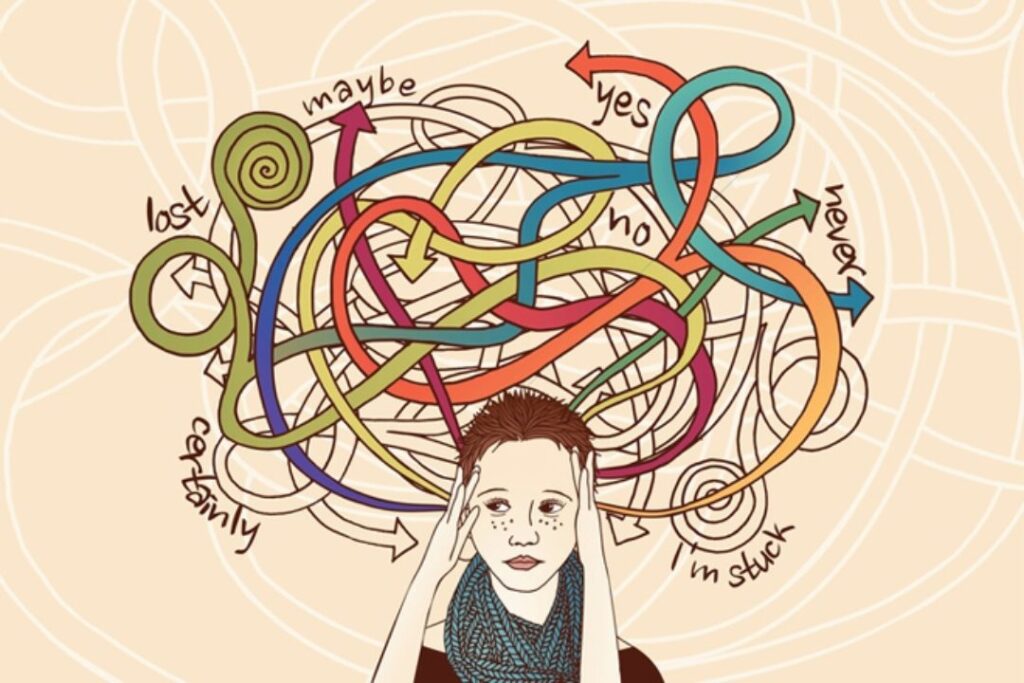
For many people, overthinking as a trauma response feels like constant mental scanning.
You tell yourself you’re just a “deep thinker.”
You analyse conversations.
Replay decisions.
Predict worst-case scenarios.
Prepare for things that haven’t happened.
And yet… it doesn’t feel helpful.
It feels exhausting.
If your mind won’t switch off — especially at night — it may not be a personality trait.
This overthinking trauma response is not a personality flaw — it’s nervous system protection.
It may be a trauma response.
What Is an Overthinking Trauma Response?
An overthinking trauma response is when the brain stays in threat-detection mode long after the danger has passed. Instead of switching off, the mind keeps scanning, analysing and rehearsing situations in an attempt to prevent future harm. This pattern isn’t a personality flaw — it’s the nervous system trying to stay safe.
Overthinking Is Often Threat-Scanning
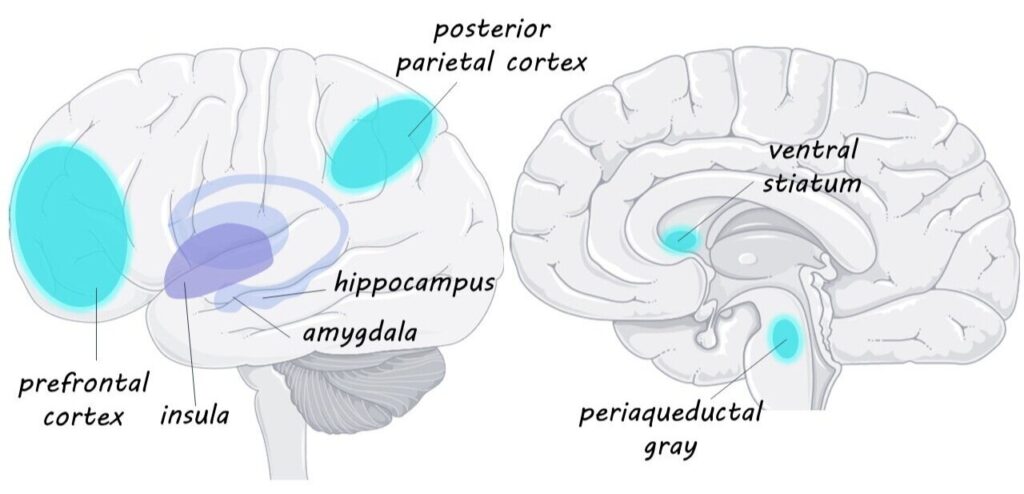
After trauma, the brain doesn’t just remember what happened.
It learns one powerful lesson:
“Stay alert. Stay prepared. Don’t let that happen again.”
The thinking part of the brain tries to protect you by constantly scanning for danger.
It asks:
- What did I miss?
- What if that goes wrong?
- What if I upset them?
- What if it happens again?
- What if I’m not ready next time?
This isn’t weakness.
It’s survival strategy.
Why Control Feels Safer

Overthinking creates an illusion of control.
If I think it through enough…
If I analyse every angle…
If I rehearse every outcome…
Then maybe I’ll be safe.
For many veterans, emergency service workers, and people who’ve lived through high-stress situations, control once meant survival.
So the brain keeps doing what worked before.
The problem?
Constant mental rehearsal keeps the nervous system activated.
And an activated nervous system cannot rest.
Rumination Is Not Reflection
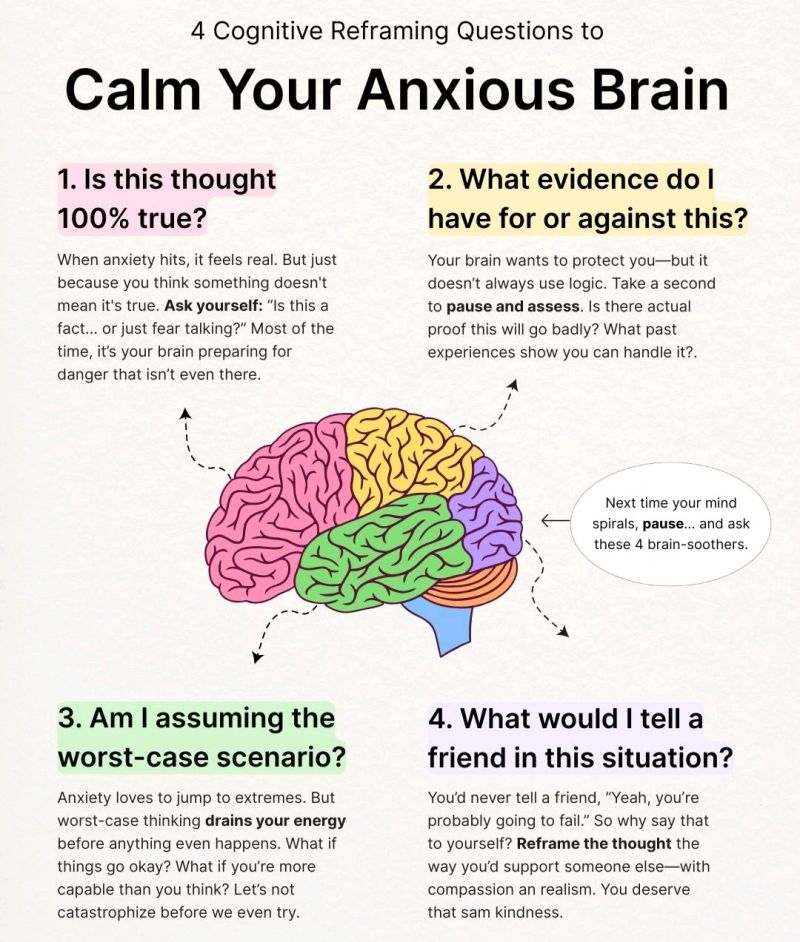
There’s a difference between healthy reflection and trauma-driven rumination.
Healthy reflection:
Healthy reflection:
- Feels productive
- Has a beginning and an end
- Leads to learning
Trauma rumination:
- Loops
- Repeats
- Feels urgent
- Feels like something bad is about to happen
You’re not thinking because you enjoy thinking.
You’re thinking because your nervous system doesn’t feel safe yet.
Why Thinking Doesn’t Switch It Off
You can understand all of this… and still overthink.
Because overthinking isn’t happening at the conscious level.
It’s driven by nervous system memory.
Your body reacts as if the threat is current — even if logically, you know it isn’t.
That’s why:
- “Just relax” doesn’t work
- Positive thinking doesn’t work
- Distraction only works temporarily
The root memory hasn’t been filed properly.
So the brain keeps checking.

Many people are surprised by what happens when the underlying traumatic memory is properly processed.
The mind settles.
Not because they forced it to.
Not because they trained it to.
But because the brain no longer perceives an active threat.
When the nervous system stands down, rumination often reduces naturally.
You don’t have to fight your thoughts.
They simply lose their urgency.
You Are Not “Broken”
Overthinking after trauma is not a character flaw.
It’s not weakness.
It’s not a lack of discipline.
It’s not that you “can’t cope.”
It’s a brain that adapted to survive.
And survival patterns can be updated.
Gently.
Safely.
Without reliving everything in detail.
—————————————————————–
You may also want to read: Why You Replay The Same Memory At Night.
Ready to Quit the Overthinking?

If this blog felt uncomfortably familiar…
If your mind never truly switches off…
If you’re tired of replaying, rehearsing and predicting…
You don’t have to manage it alone.
Overthinking that stems from trauma isn’t a mindset problem.
It’s often a nervous system problem.
And when the nervous system is helped to process what it never properly filed, the constant mental scanning can ease — naturally.
I offer private online trauma sessions for:
- Veterans
- Emergency service personnel
- People living with intrusive memories, rumination or hypervigilance
Sessions are calm, structured, and do not require you to repeatedly relive events in detail.
You stay in control throughout.
Book a Private Consultation
If you’d like to explore whether this approach is right for you:
👉 Book your confidential session here:
Or, if you’re not ready yet, you can simply read more about how the approach works.
There’s no pressure.
Just a conversation.
Your next read: “Why You Replay The Same Memory At Night”