
5. Why It Still Feels Like It Just Happened (Trauma Years Later)
Search intent: “It was years ago but…”
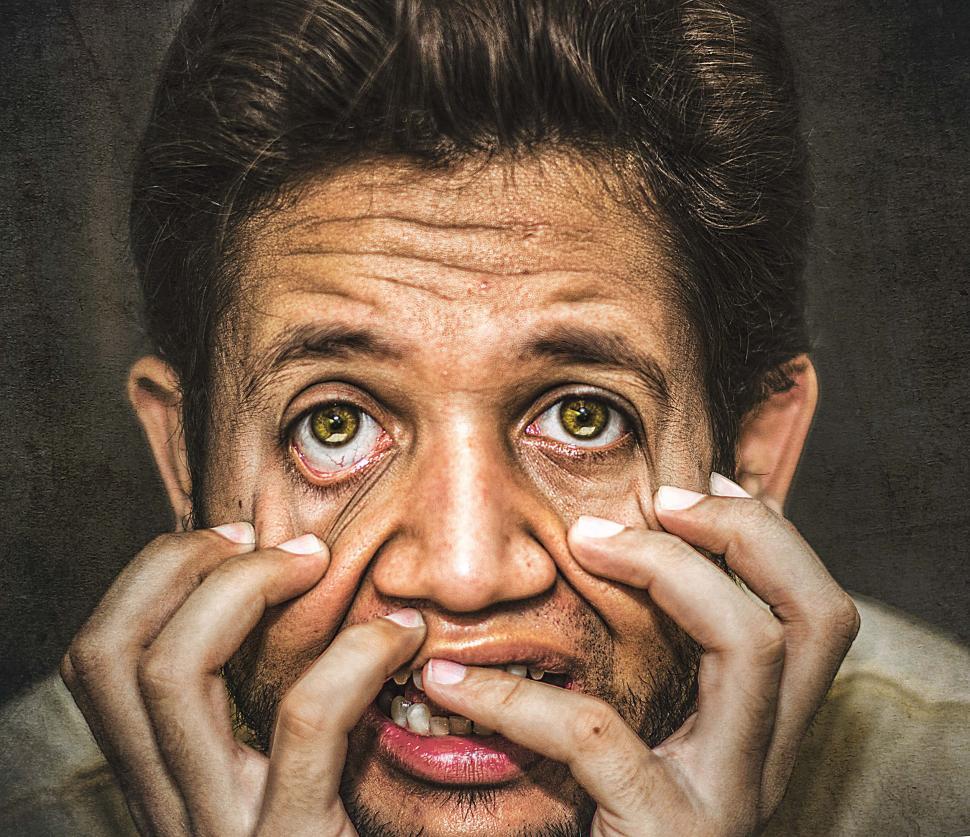
Why it still feels like it just happened is something many people struggle to understand, especially when the event was years ago.
You tell yourself:
“It was years ago.”
“I should be over this by now.”
“Why does it still hit me like it’s happening now?”
And yet something small happens — a smell, a tone of voice, a sudden memory — and your body reacts instantly.
Your chest tightens.
Your breathing changes.
Your mood drops.
It doesn’t feel historical.
It feels present.
There’s a reason for that.
Why The Emotional Brain Doesn’t Track Time

Your thinking brain understands dates.
It knows what year it is.
It understands that “back then” was different from now.
But the emotional survival part of the brain — often linked to the amygdala and threat detection system — works differently.
Its job is simple:
- Detect danger
- React quickly
- Keep you safe
It doesn’t organise experiences by calendar year.
When something resembles a past threat, it activates protection.
Not because it’s irrational.
Because it’s efficient.
That’s why the reaction can feel immediate and intense — even if the event happened 5, 10, or 20 years ago.
How Trauma Is Stored as Sensory Memory

Trauma is rarely stored as a neat, logical story.
Instead, it’s often stored in fragments:
- The smell in the air
- The sound of a door
- A facial expression
- The tone of a voice
- The physical tension in your body
These sensory imprints bypass logic.
They go straight to the nervous system.
So when something similar appears years later, your system doesn’t ask:
“Is this still happening?”
It reacts first.
Then your thinking brain tries to catch up.
That’s why people often say:
“I know it’s not happening now, but my body feels like it is.”
Because the body memory activates faster than conscious thought.
Why Time Doesn’t Automatically Heal Trauma

We’ve all heard the phrase:
“Time heals.”
Time can soften grief.
Time can create distance.
Time can help perspective grow.
But trauma isn’t just sadness or memory.
It’s a survival response that didn’t get fully processed.
If the nervous system never completed the “this is over” signal, it can remain partially activated — even years later.
It’s like leaving a file open in the background of your brain.
Time passing doesn’t close the file.
Processing does.
“The Difference Between Remembering and Reliving”
This sentence is incredibly common:
- “It was years ago but I still avoid certain places.”
- “It was years ago but I still get angry.”
- “It was years ago but I still panic.”
- “It was years ago but it feels like yesterday.”
If it still feels current, it means your system hasn’t fully filed it away.
That isn’t weakness.
It isn’t failure.
It’s unfinished processing.
Trauma Needs Processing, Not Time

The encouraging part?
The brain can change.
When traumatic memories are processed safely and correctly, something shifts.
The memory doesn’t disappear.
But the emotional charge reduces.
It moves from:
“This is happening.”
to
“This happened.”
That difference changes everything.
You can remember without reliving.
You can think about it without your body entering threat mode.
You can place it properly in the past.
And that’s where relief begins.
A Gentle Reminder
If you’ve been telling yourself you “should be over it by now,” pause.
Healing isn’t measured by how many years have passed.
It’s measured by whether the nervous system has completed its response.
If it still feels like it just happened, it simply means your brain is still trying to protect you.
And protection — even when it feels exhausting — is never weakness.
It may just mean it’s time for processing.
Not more waiting.
What Processing Actually Means

When people hear “processing trauma,” they often imagine hours of retelling every painful detail.
That’s not what effective processing is about.
Processing means helping the brain:
- Recognise the event is over
- Reduce the emotional intensity attached to it
- Store it as a past memory rather than a current threat
It’s less about reliving…
and more about reorganising.
Think of it like reorganising a cluttered drawer.
The contents are still there — but they’re no longer spilling out every time you open it.
Why Some Memories Stay “Hot”
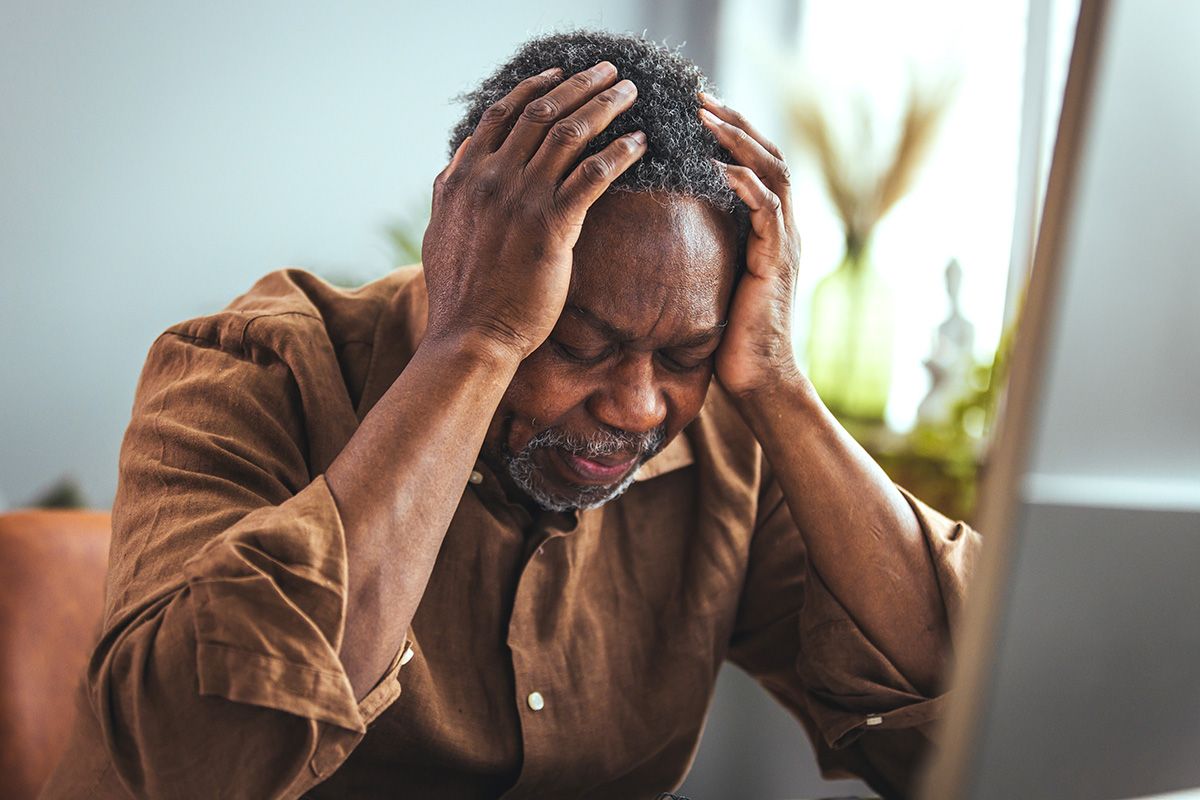
Trauma memories often stay emotionally “hot.”
That means:
- Your heart rate increases
- Your muscles tense
- Your breathing changes
- You feel anger, fear, or shame quickly
This happens because the nervous system encoded the event as survival-critical.
When something is survival-related, the brain prioritises speed over logic.
It doesn’t ask politely.
It reacts decisively.
Years later, the body can still carry that same charge.
Not because you’re stuck in the past —
but because your system never received the signal that the danger ended safely.
The Difference Between Remembering and Reliving

There’s a powerful distinction:
Remembering
You can think about what happened with perspective.
Your body stays regulated.
It feels like history.
Reliving
Your body reacts.
Your emotions spike.
It feels immediate and present.
Healing moves you from reliving to remembering.
That’s the shift.
And it’s absolutely possible.
Why Avoidance Keeps It Feeling Fresh


When something feels overwhelming, avoidance makes sense.
Avoid the place.
Avoid the conversation.
Avoid the feeling.
Short term, it reduces distress.
Long term, it prevents processing.
The brain never gets the chance to update the memory because it’s constantly being sidestepped.
That doesn’t mean you should force yourself into distress.
It means healing usually requires safe, supported engagement — not suppression.
“Why Now?”
A lot of people ask this.
“It didn’t bother me for years — why is it surfacing now?”
Common reasons include:
- Life stress lowering emotional resilience
- Retirement or slowing down creating mental space
- A new event resembling the old one
- Milestones triggering reflection
- Physical health changes increasing nervous system sensitivity
Sometimes when life becomes quieter, the brain finally has room to process what it couldn’t before.
That doesn’t mean you’re going backwards.
It often means your system feels safe enough to bring it up.
You Are Not Meant to Just Endure It
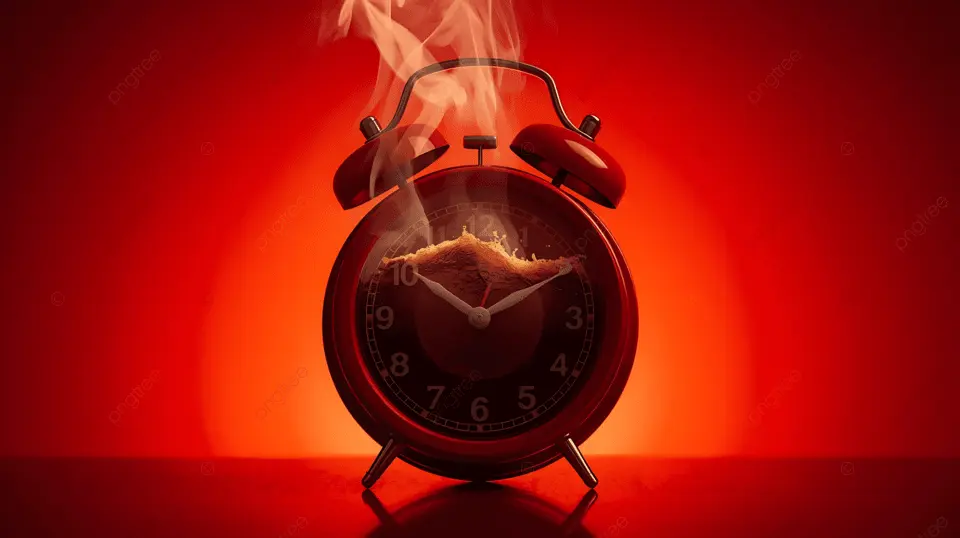
If something from years ago still feels emotionally current, you’re not meant to just grit your teeth and live with it.
You’re not meant to minimise it.
You’re not meant to shame yourself for it.
Trauma needs processing, not time.
When the brain is helped to file the memory correctly, the nervous system can stand down.
And when it stands down:
- Sleep improves
- Triggers reduce
- Emotional reactions soften
- The past feels like the past
That’s not about erasing what happened.
It’s about reclaiming your present.
If you’ve been carrying something that “was years ago but…” still feels close, that’s not a personal failing.
It’s unfinished survival wiring.
And wiring can be updated.
You don’t have to keep living as if yesterday is still happening.
You don’t have to keep carrying this.
If trauma symptoms like flashbacks, triggers, overthinking, or sleep loops are affecting your life, there’s a gentle way forward. Rewind Therapy helps the brain file the memory safely — without you having to relive it in detail.
- Confidential 1–1 online support
- No pressure, no judgement
- Clear next steps (even if you’re unsure)
Not ready to book? Start by reading how Rewind works — then come back when you’re ready.
Your next read: “Why You Replay The Same Memory At Night”